If you’ve come across a green Elna Supermatic and spotted Type 722010 stamped on the side panel, you're looking at one of the most iconic Swiss-made home sewing machines ever produced.
Manufactured from 1952 to 1958 by Tavaro S.A. in Geneva, the Elna Supermatic Type 722010 was the world’s first domestic sewing machine to feature automatic decorative stitching with reverse feed, powered by a double-profile cam system. Compact, quiet, and stylish in its trademark olive-green enamel, the Supermatic was engineered for serious sewing — and it’s still going strong in workshops and studios around the world.
We carry original and compatible parts for the Type 722010 to help you restore, maintain, and sew with confidence.
How to Identify the Elna Supermatic Type 722010
If you're trying to identify your machine, here’s what to look for:
-
Olive-green enamel finish (no alternate colors were produced for this model)
-
The word “Supermatic” is usually printed near the front panel
-
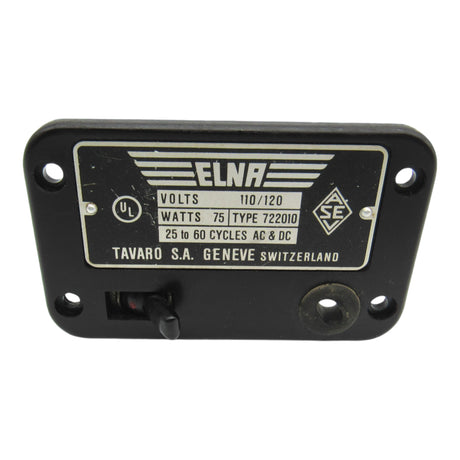
Look for the type number “722010” stamped on the silver plate near the power socket or handwheel
-
Built-in free-arm design
-
Removable stitch cam system on top, under a hinged lid
-
No external motor belt – this machine uses an internal friction-drive system
Some collectors refer to this machine as the “Model 7,” but Elna did not use that term during production. Type 722010 is the official factory designation and the most reliable way to ensure correct parts compatibility.
What Made the Supermatic a Milestone Machine
Unveiled on April 19, 1952 at the Swiss Industries Fair in Basel, the Elna Supermatic was unlike anything else available to home sewers at the time. Here's what made it truly ahead of its era:
-
First domestic machine with automatic reverse-feed decorative stitches
-
Used Elna’s innovative double-profile cam system
-
Fully enclosed free-arm design — ideal for sleeves, cuffs, and tight areas
-
Friction-drive motor (no external belt)
-
Full rotary hook system for smooth, high-speed stitching
-
Hands-free knee-bar presser foot lifter
-
Elegant mid-century design that looked more like a high-end appliance than a factory tool
This combination of features made the 722010 Supermatic one of the most advanced and ergonomic sewing machines of its time.
Signature Features Explained
Friction Drive System (Not Belt-Driven)
Unlike modern or even later Elna machines that use belts, the Supermatic 722010 uses a rubber friction wheel pressed directly against a drive disc to transfer power from the motor.
Why it matters:
-
No belts to break or adjust
-
Quieter operation with less vibration
-
Slimmer profile — motor is tucked into the machine body
-
Smooth, responsive speed control via foot pedal
Common maintenance issue: If your machine runs rough or skips, the friction wheel may have developed flat spots. This happens when the machine sits unused for long periods. We don't stock reproduction wheels due to poor quality in aftermarket options, but we can help you locate an original or recommend trusted restoration technicians.
Elnagraph Cam Disc System
This machine was the first domestic sewing machine to use a double-profile cam system. The cam controlled both lateral needle movement and feed dog direction — enabling complex, automatic stitch patterns without manual control.
How it works:
-
Insert a “top hat” cam disc into the top of the machine
-
The cam follower traces the profile to create unique stitch movements
-
Cams are removable — over 30 different stitch patterns were available
Important: These cams are specific to the Type 722010. They won’t fit newer models like the Elna 62 or Lotus series.
Full Rotary Hook
The Supermatic uses a rotary hook that spins continuously in one direction, unlike oscillating hooks found in other machines of the time.
Benefits:
-
Fewer skipped stitches at high speeds
-
Smooth thread handling and even stitch formation
-
Drop-in bobbin with horizontal orientation
-
Reduced mechanical noise
Free-Arm Design
Elna pioneered the free-arm in-home machines with the Elna No. 1 ("Grasshopper") in 1940. The Type 722010 continued this innovation with a fully enclosed free-arm that made it easier to access hard-to-reach areas like sleeves and pant legs — something most 1950s competitors didn’t offer.
Knee-Bar Presser Foot Control
Instead of a manual lever behind the presser bar, the Supermatic includes a knee-operated bar that lets you lift and lower the presser foot without using your hands.
-
Great for precision work and delicate materials
-
Common in industrial machines, rare in home models of this era
-
Removable — often missing on machines today
We stock original knee bars when available, but they’re limited due to the number of donor machines in circulation.
What Types of Parts Can You Find?
We offer a wide range of parts compatible with the Elna Model 62, including:
Maintenance Tips for the Supermatic
Even after 70+ years, a well-maintained 722010 can still sew beautifully. Here's what to keep an eye on:
-
Friction drive wheel – Check for flat spots or cracking
-
Cam follower – Clean and lightly lubricate
-
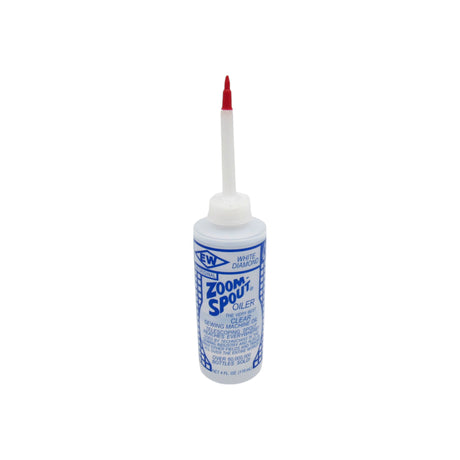
Rotary hook – Remove lint and apply sewing machine oil
-
Tension system – Clean and check alignment
-
Bobbin system – Use only Elna-specific bobbins
Parts We Offer for the Elna Supermatic Type 722010
Our inventory includes both original and compatible parts for this machine, carefully inspected for fit and function.
Parts we regularly stock:
-
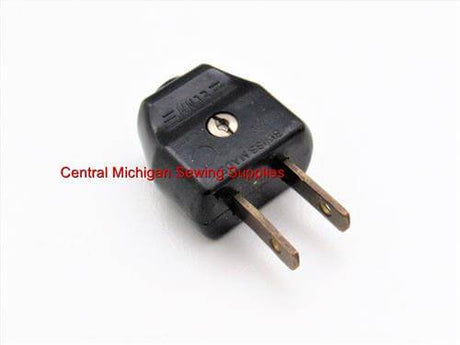
Power cords for Type 722010 plug configuration
-
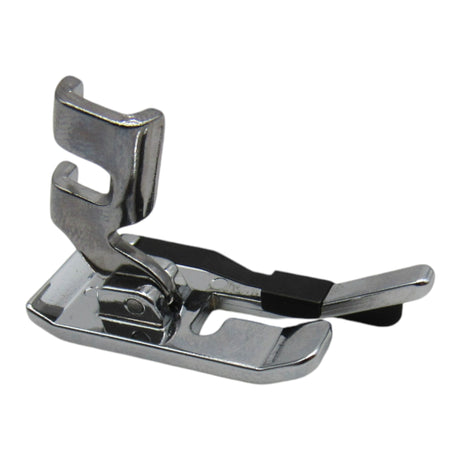
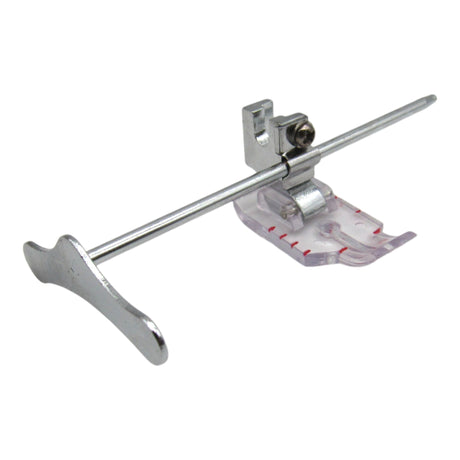
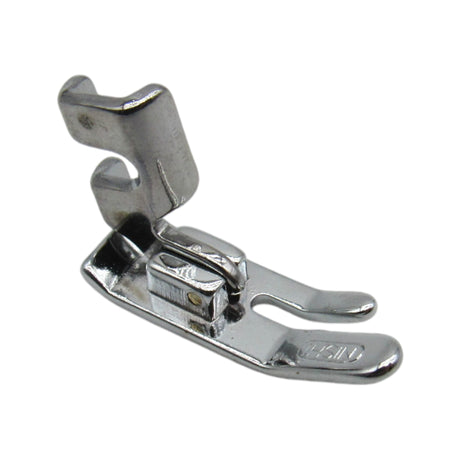
Presser feet (zigzag, straight, zipper, and more)
-
Bobbin cases and Elna-specific bobbins (limited supply)
-
Original “top hat” cam discs (when available)
-
Knee-bar assemblies
-
Replacement light bulbs
-
Internal gears and feed dog assemblies (from donor machines)
-
Tension units and needle plates
Don’t see what you need? Reach out. We may have the part, or we may be able to help you find it.
Frequently Asked Questions
Is this the same as the "Model 7"?
The name “Model 7” is commonly used by collectors, but Elna never labeled the machine that way. The official designation is Type 722010, and it should always be referenced when ordering parts.
What years was this machine made?
From 1952 to 1958. You can often date it more precisely using the serial number — for pre-1963 machines, the first digit usually indicates the year.
Can I use modern bobbins?
No. The 722010 uses Elna-specific bobbins, and modern ones usually won’t work correctly. We carry correct bobbins when available.
Why is my machine skipping or running rough?
Most likely a worn friction drive wheel. If it’s been sitting unused, the rubber can harden or flatten. Contact us for help finding a proper replacement or service option.
Are cam discs still available?
Yes — we carry them when we can source originals from donor machines. Contact us for availability.
Is this a free-arm machine?
Yes. The 722010 was designed as a free-arm-only model — no flatbed extension was included or needed.
The Supermatic Legacy
Collectors and sewists still pursue the Type 722010 for one simple reason: it was built to last — and it still does.
-
Swiss-engineered mechanical precision
-
Groundbreaking automatic decorative stitching
-
Clean, modern design with quiet operation
-
Rugged build quality and minimal vibration
-
Valuable collector’s piece, especially with complete cam sets
With the proper care and the right parts, the Elna Supermatic can easily outlast most modern machines. Whether you’re restoring a family heirloom or repairing a recent thrift store find, we’re here to help.
Order your Elna Supermatic Type 722010 parts from Central Michigan Sewing Supplies — and keep this Swiss classic sewing for another generation.


 Sold out