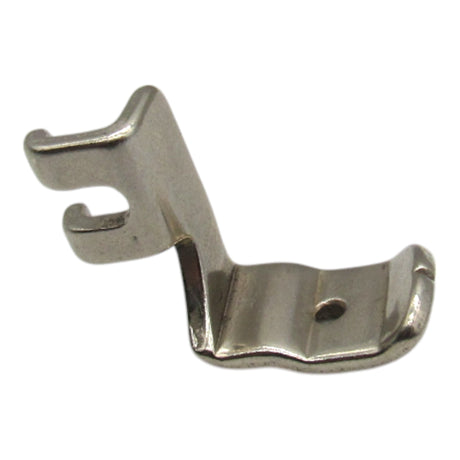
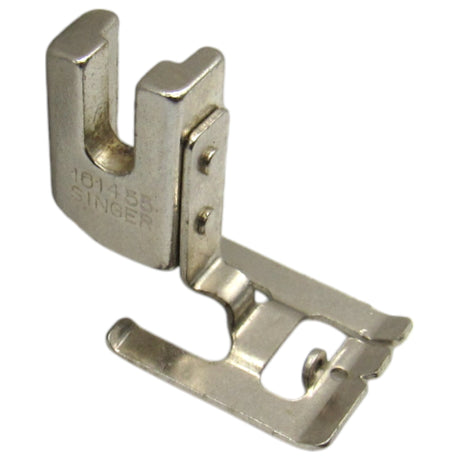
Singer sewing machines were engineered with specific tolerances, and presser feet play a larger role than many people realize. Low-shank Singer machines rely on feet that sit at the proper height and angle so fabric feeds evenly and stitches form cleanly. Using original Singer low shank presser feet and attachments helps maintain the performance these machines were known for when they were first produced.
Generic or poorly matched feet often introduce small alignment problems that add up quickly. Fabric may drag, stitches can look uneven, and the needle may strike the foot during operation. Original Singer feet are built to work with the presser bar, needle plate, and feed dogs as a complete system rather than as a universal workaround.
What Low Shank Means for Singer Sewing Machines
Low shank refers to the distance between the presser bar and the needle plate. Many vintage Singer domestic machines use a low shank configuration, which allows the presser foot to sit closer to the feed dogs for improved control over fabric movement. This design works especially well for garment sewing, quilting, and general household projects.
A presser foot that does not match the correct shank height can tilt or sit unevenly. That changes how fabric feeds and how the needle penetrates the material. Matching the proper low-shank foot helps protect your machine from unnecessary wear while producing smoother, more consistent stitches.
What You Will Find in This Collection
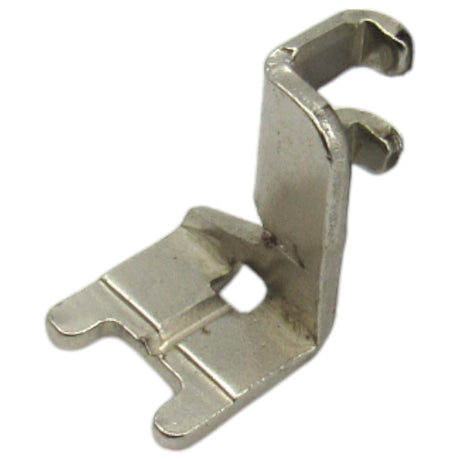
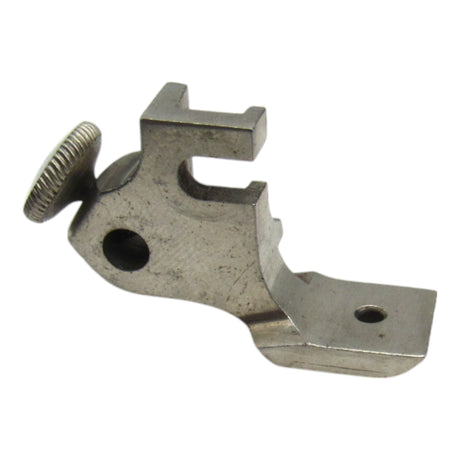
This collection includes original and compatible Singer low-shank presser feet and attachments intended for a wide range of sewing tasks. Common options include straight-stitch, zigzag, and zipper feet that allow close stitching along edges, piping, and zippers.
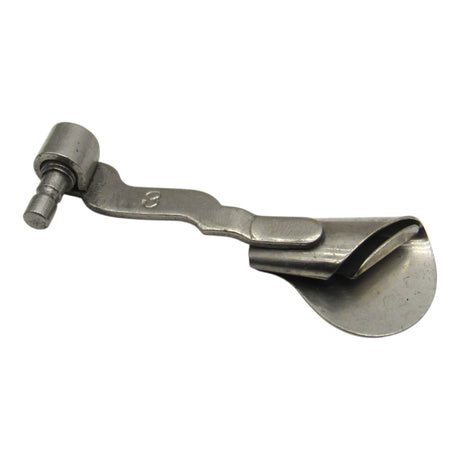
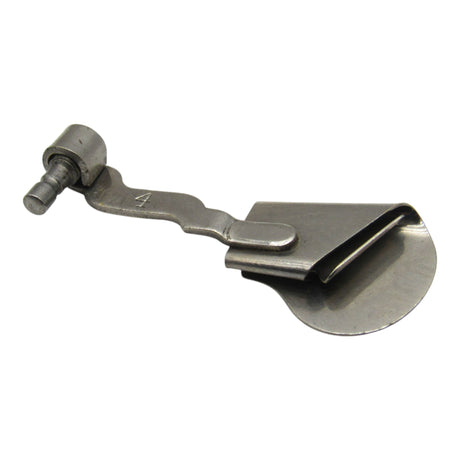
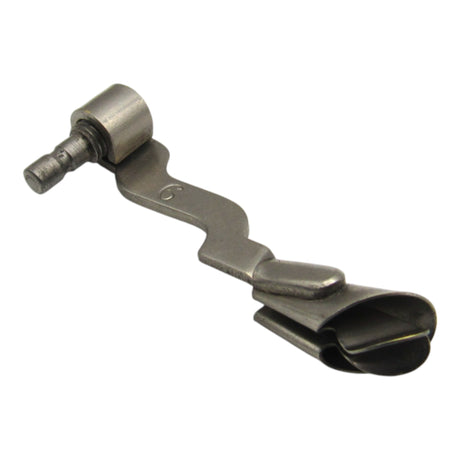
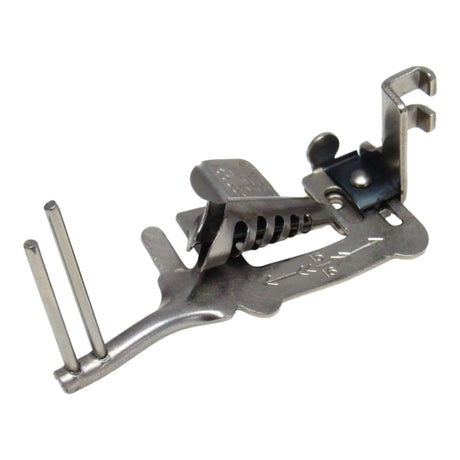
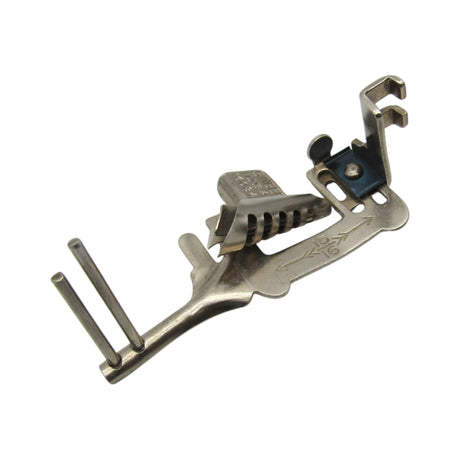
Specialty attachments may include hemmers, binders, rufflers, edge stitch feet, and buttonhole attachments, depending on availability. These tools expand what a vintage Singer can do without complicated adjustments. Installing the correct attachment often produces better results than adjusting stitch length or tension alone.
Why Original Singer Presser Feet Make a Difference
Original and compatible Singer presser feet are machined to precise specifications that match Singer needle paths and feed systems. That precision helps fabric stay flat and controlled as it moves under the needle. Stitch formation improves, especially on curves, corners, and layered seams, where generic feet often struggle.
Many sewists notice that their machine runs more smoothly after switching to the original feet. Reduced vibration, quieter operation, and easier fabric handling are common benefits. These improvements are subtle at first, but they add up during longer sewing sessions.
Compatible Singer Sewing Machine Models
Low shank presser feet in this collection are commonly used on a wide range of vintage Singer models. Popular machines include the Singer 15 series, Singer 66, Singer 99, Singer 185, and the Singer 201.
If you are restoring or maintaining one of these machines, pairing the correct presser foot with model-specific parts helps preserve stitch quality. For these machines, using proper accessories alongside compatible replacement parts helps keep everything working together as intended.
Presser Feet and Overall Machine Performance
Presser feet work closely with other components such as feed dogs, needle plates, and tension systems. If your machine struggles even with the correct foot installed, the issue may be due to worn supporting parts rather than the foot itself.
Belts that slip, gears that have hardened with age, or electrical components that no longer deliver consistent power can all affect stitch quality. For maintenance or repairs, related Singer-specific collections may be helpful, including foot control and cords for Singer sewing machines, motor belts for Singer sewing machines, light bulbs for Singer sewing machines, and gears for Singer sewing machines.
Choosing the Right Presser Foot for Your Sewing
The best presser foot depends on what you sew most often. Straight stitch feet provide maximum control for construction seams. Zigzag feet allow wider stitch movement without needle interference. Zipper feet help you sew close to hardware and trim for a cleaner finish.
For decorative or specialty work, attachments like hemmers and rufflers can save time while producing consistent results. Quilters often prefer walking-style or even-feed feet to help manage multiple fabric layers. Selecting the correct foot reduces strain on both the fabric and the machine.
Presser feet perform best when the surrounding sewing machine components are properly matched and in good working order. If fabric feeding feels inconsistent or attachments do not operate as smoothly as expected, related parts such as feed systems, needle plates, tension assemblies, and drive components are often involved. Shopping for these complementary items together helps ensure your Singer low-shank presser feet function correctly and keeps your machine sewing evenly and reliably.
Related Singer parts:
Long-Term Value of Original Singer Attachments
Original and compatible Singer presser feet and attachments retain value because they were built to last. Many are still in excellent working condition decades after production. Collectors often seek complete attachment sets, while everyday sewists appreciate the reliability and fit these parts provide.
Using these accessories also helps preserve the integrity of your sewing machine. Proper fit reduces wear on moving parts and minimizes the need for frequent adjustments or repairs.
Shop With Confidence at VintageSingerParts.com
Finding the right parts for a vintage sewing machine should feel straightforward, not frustrating. At VintageSingerParts.com, every item is carefully selected to help you maintain, repair, and enjoy your sewing machine the way it was meant to work. From original and compatible Singer low-shank presser feet to hard-to-find replacement components, you’ll find parts that fit correctly and perform reliably.
Whether you’re restoring a classic Singer, replacing a worn accessory, or keeping a trusted machine in regular use, shopping with a dedicated vintage sewing machine parts supplier makes a real difference.

 Sale
Sale